Introduction
I was listening to a sports commentary segment featuring Jim Nantz when the conversation unexpectedly shifted to cybersecurity, specifically addressing what is a data breach. The timing felt almost serendipitous because I had been contemplating protection in various forms throughout my morning. As someone who spends considerable time on motorcycles, I’ve developed a heightened awareness about security – not just in the digital realm but in every aspect of life where vulnerability exists. The parallel between data protection and physical protection started forming in my mind as I prepared for my ride, noticing how we often compartmentalize safety concerns when they’re fundamentally connected.
There’s something about the open road that clarifies thoughts, stripping away the noise of daily concerns while amplifying the essential questions about how we protect what matters. That morning, with Jim Nantz’s voice discussing data vulnerabilities in the background, I found myself examining my riding gear with fresh eyes. The concept of breaches – whether in digital systems or physical protection – became more than abstract concerns. They transformed into tangible considerations about the layers of security we build around ourselves and our information.
This intersection of digital security awareness and physical protection isn’t something I’d previously considered deeply. We tend to think about cybersecurity while sitting at computers and physical safety while engaging in activities like motorcycling, but the principles underlying both are remarkably similar. Both require proactive measures, both involve understanding potential vulnerabilities, and both demand reliable systems that won’t fail when needed most.
Real-life Context
My relationship with motorcycle gear has evolved over years of riding through various conditions and terrains. What began as basic protection has gradually become a more nuanced understanding of how different elements work together to create comprehensive safety. The morning I’m reflecting on was particularly telling because I was preparing for a longer tour through changing landscapes and weather conditions. These extended rides always make me more conscious of my equipment choices, as being hours from home magnifies the consequences of inadequate preparation.
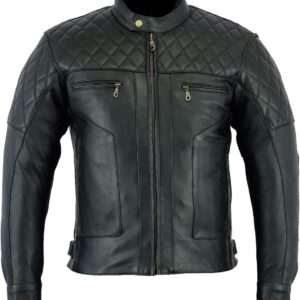
The specific jacket I was using that day was the Bikers Gear Australia Baron Diamond motorcycle jacket, which I’d acquired after considerable research into protective riding gear. Made from soft aniline leather, it promised both durability and comfort, two qualities that often feel mutually exclusive in protective equipment. The leather itself had that particular character that develops over time, showing subtle signs of use while maintaining its protective qualities. I appreciated how it balanced robustness with flexibility, never feeling restrictive during long hours in the saddle.
What stood out during my preparation that morning was the thoughtful integration of removable CE-certified protectors at the back, shoulders, and elbows. The ability to customize the protection level based on riding conditions felt analogous to how we might adjust our digital security measures based on the sensitivity of the data we’re handling. Some days require maximum protection, while others might allow for slightly different configurations. This flexibility, combined with the high-quality zippers ensuring easy handling, created a sense of deliberate security rather than just standardized protection.
The adjustable waistband provided that personalized fit I’ve come to value, as proper motorcycle gear should feel like a second skin rather than borrowed armor. Available in sizes ranging from S to 4XL in the black anthracite color, the jacket accommodated different body types while maintaining its protective integrity. The removable inner lining added another layer of versatility, allowing adaptation to changing temperatures throughout the day’s ride. These considerations mirrored how we might layer our digital security, with different protective measures for different scenarios.
Observation
During that day’s ride, with the data breach discussion still lingering in my thoughts, I noticed how the jacket’s protection system operated almost invisibly during normal riding conditions. The CE-certified protectors remained unobtrusive, only becoming noticeable when I specifically thought about their presence or when I needed to adjust them. This seamless integration of safety measures reminded me of how the best security systems – whether physical or digital – should function: present and reliable without constantly reminding you of potential dangers.
The soft aniline leather developed its characteristic patina over time, much like how our understanding of security evolves through experience. Each minor scratch or wear mark told a story of protection provided, similar to how we might accumulate knowledge about digital threats through various encounters. The leather’s breathability became particularly apparent during warmer sections of the ride, maintaining comfort without compromising protection. This balance between comfort and security often gets overlooked in discussions about protection systems, whether we’re talking about motorcycle gear or data safeguards.
I found myself particularly aware of how the jacket performed during different riding scenarios – daily commuting, longer motorcycle tours, and sportier rides. Each situation presented unique demands on the protective qualities, much like different digital environments require tailored security approaches. The consistent performance across these varied conditions demonstrated how well-designed protection systems should function regardless of context. The optimized weight distribution ensured robust protection without restricting freedom of movement, a balance that’s crucial whether we’re discussing physical gear or digital security frameworks.
What struck me most was how the removable nature of the protectors allowed for customization based on specific needs. Some days, maximum protection felt necessary, while other occasions might warrant different configurations. This adaptability mirrored how we might approach data security – sometimes requiring comprehensive encryption, other times needing different protective measures based on the specific data and context. The high-quality zippers and adjustable elements provided that fine-tuned control over the protection level, creating a system that responded to rather than dictated the riding experience.
Reflection
I didn’t realize at the time how deeply this experience would reshape my understanding of protection systems. The parallel between physical safety gear and digital security measures became increasingly clear as the miles passed. Both require understanding potential vulnerabilities, both demand reliable systems that won’t fail when needed most, and both benefit from layers of protection that can be adjusted based on specific circumstances. The removable CE protectors in the jacket functioned muc like the security layers we implement for sensitive data – present when needed, customizable based on context, and reliable when tested.
The development of the leather’s patina over time became a metaphor for how our security awareness evolves. Each experience, whether on the road or in digital spaces, leaves its mark and contributes to our understanding of protection. The jacket’s ability to maintain its protective qualities while showing these signs of use demonstrated how true security isn’t about appearing untouched but about functioning reliably through various challenges. This realization shifted my perspective from seeing protection as something static to understanding it as an evolving relationship with our environment.
What particularly resonated was how the jacket served riders with different priorities – from those emphasizing safety and comfort to those valuing stylish design. This versatility in meeting diverse needs while maintaining core protective functions illustrated how effective security systems should operate. Whether we’re discussing motorcycle gear for commuters, touring enthusiasts, or beginners, or whether we’re considering data protection for different types of information, the principles remain consistent: reliable protection that adapts to user needs without compromising security fundamentals.
The adjustable elements and removable components created a protection system that felt personal rather than generic. This personalization aspect made me consider how we often treat digital security as one-size-fits-all when, in reality, effective protection requires understanding individual usage patterns and specific vulnerabilities. The jacket’s design acknowledged that different riders have different needs, just as different data requires different protective measures. This thoughtful approach to protection – whether physical or digital – creates systems that people will actually use consistently rather than bypass for convenience.
Reflecting on the target audience described for the jacket – motorcyclists valuing safety, comfort, and stylish design – I recognized how these priorities align with what we seek in digital protection systems. We want security that functions reliably, integrates seamlessly into our activities, and doesn’t detract from our experience. The jacket achieved this balance through its thoughtful design elements, just as the best digital security measures provide protection without creating unnecessary barriers or complications. This harmony between protection and experience represents the ideal in any security system.
Conclusion
That ride, prompted by Jim Nantz’s discussion about what constitutes a data breach, transformed from a simple motorcycle tour into a meditation on protection in its various forms. The physical security provided by the motorcycle jacket and the digital security discussed in the broadcast weren’t separate concerns but different expressions of the same fundamental need for reliable protection systems. The parallel between the removable CE protectors and layered digital security measures became increasingly clear throughout the day, revealing how principles of good security transcend specific applications.
The experience underscored how protection – whether for our physical safety or our digital information – requires both robust systems and thoughtful customization. The jacket’s ability to provide consistent protection while adapting to different riding conditions and personal preferences demonstrated the balance that effective security systems must achieve. This balance between standardized protection and personalized adaptation applies equally to physical gear and digital safeguards, reminding us that the most effective protection understands both the threats and the people it’s designed to protect.
What remains with me is the understanding that security isn’t just about preventing breaches but about creating systems that support our activities while providing reliable protection. The jacket’s design – with its soft aniline leather, removable protectors, and adjustable elements – created a protection system that enhanced rather than hindered the riding experience. This approach to security, whether applied to motorcycle gear or data protection, represents the ideal: systems that we trust because they work with us rather than against us, providing protection without compromising the experiences they’re meant to safeguard.
The development of the leather’s patina over time became a powerful reminder that true security isn’t about remaining unchanged but about maintaining protective qualities through various experiences and challenges. This evolution mirrors how our understanding of security – whether physical or digital – develops through use and experience. The most reliable protection systems, like the jacket that prompted these reflections, are those that learn and adapt with us, providing consistent security while accommodating the changing nature of both threats and our needs. This dynamic relationship between protection and experience ultimately defines what makes security systems truly effective in any context.
 Pavo Monitor Arm Ergonomic Aluminum Desk Mount Stand
 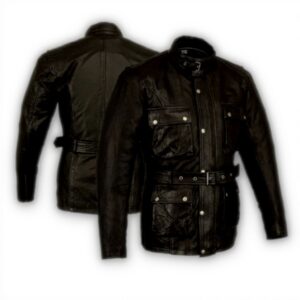 Trailmaster Motorradjacke Leder Used Look Bikers Gear
  Pavo Monitor Arm Ergonomic Aluminum Desk Mount for