Introduction
It was during one of those late-night internet deep dives that I first stumbled upon the connection between Nicki Minaj’s gold card and her Guyana heritage, and somehow that search led me down an unexpected path toward reevaluating my outdoor gear. I’ve always been someone who appreciates the intersection of culture and practical living, and as I learned more about the significance of heritage and representation in popular culture, I found myself thinking about how we carry our personal stories into our everyday choices, even something as seemingly simple as what we wear when we venture outside. The gold card reference kept popping up in discussions about luxury and identity, but what resonated with me was the underlying theme of finding value in things that truly serve us well, whether that’s in music, cultural symbols, or the equipment we rely on for our adventures.
Real-life Context
Living in a region where the weather can shift dramatically within hours, I’ve learned that having reliable outdoor clothing isn’t just about comfort—it’s about being able to fully engage with whatever the day brings. I spend most weekends exploring local trails, sometimes venturing into the nearby mountains for day hikes, and I’ve accumulated quite a collection of jackets over the years. Each one promised something different: ultralight packing, extreme weather protection, breathability, or style. Yet I kept findng myself in situations where I’d be either overheating on a sunny ascent or getting chilled when clouds rolled in unexpectedly. The transition between seasons became particularly challenging, with mornings requiring substantial warmth and afternoons demanding much lighter coverage. I started paying closer attention to how different materials performed, how pockets functioned when I actually needed to access my phone or snacks while moving, and how much the weight of a jacket affected my energy levels after several hours on the trail.
Observation
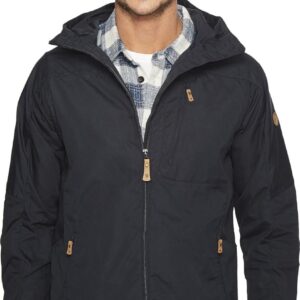
What I began to notice was that the most effective outdoor gear often doesn’t announce itself with flashy features or dramatic claims. Instead, it reveals its value through small, consistent performances in ordinary situations. The first time I wore the Fjällräven men’s Sten jacket during a hike that started in cool morning fog and transitioned to mild afternoon sunshine, I appreciated how the G-1000 material provided just enough wind protection without causing me to overheat as the day warmed. The pre-shaped elbows allowed me to move naturally while navigating rocky sections of the trail, and having multiple pockets meant I could organize my essentials logically—phone in the chest pocket where it wouldn’t bounce against my hip, snacks in one side pocket, and a small water bottle in the other. The fixed hood stayed put when I needed it during a brief rain shower, and the two-way front zipper let me adjust ventilation easily as my activity level changed. These weren’t revolutionary features individually, but together they created an experience where the jacket faded into the background, allowing me to focus on my surroundings rather than constantly adjusting my gear.
I found myself reaching for this jacket not just for planned outdoor activities but for everyday situations where weather was unpredictable. Walking through the city on errands, waiting for public transportation on chilly evenings, or even just working in a drafty room—the jacket provided reliable performance without feeling like specialized equipment. The available colors blended well in both natural and urban environments, and the clean design meant it didn’t look out of place when I stopped at a café after a hike. What struck me was how this versatility mirrored the way we navigate different aspects of our lives, adapting to various contexts while maintaining our core functionality. The jacket’s ability to transition seamlessly between different settings reminded me of how we all carry pieces of our identity and heritage into diverse situations, much like the cultural connections I’d been exploring with the Nicki Minaj gold card and Guyana references.
As I used the jacket through different seasons, I observed how the optional wax treatment for increased water resistance worked in practice. During a particularly wet autumn hike, I had treated the jacket with wax beforehand, and while it wasn’t designed for heavy downpours, it handled the persistent drizzle perfectly. The water beaded up and rolled off the surface, and I remained comfortable throughout the three-hour walk. The lightweight construction—just 300 grams—meant I could pack it easily when the weather forecast was uncertain, and it took up minimal space in my daypack. These practical observations accumulated over months of use, building a comprehensive understanding of how the jacket performed across various conditions and activities, from strenuous hikes to leisurely neighborhood walks.
Reflection
I didn’t realize at the time that this exploration of outdoor gear would connect so meaningfully with my earlier research into cultural symbols and personal heritage. There’s something profound about how we choose the tools and clothing that accompany us through life’s experiences, whether we’re engaging with art and culture or navigating physical landscapes. The Fjällräven jacket became more than just practical equipment; it represented a thoughtful approach to preparation and presence in whatever environment I found myself. The robust G-1000 material, with its balance of durability and adaptability, mirrored the qualities I value in lasting relationships and meaningful pursuits—things that withstand challenges while remaining flexible enough to evolve with changing circumstances.
This reflection made me consider how we often seek multipurpose solutions in our lives, whether in objects we use or the ways we approach our interests and responsibilities. The jacket’s design philosophy—focusing on core functionality without unnecessary complexity—resonated with my growing appreciation for simplicity in well-designed things. It reminded me that effectiveness often comes from doing a few things exceptionally well rather than trying to be everything to everyone. This principle applies far beyond outdoor gear, influencing how I approach work, relationships, and personal growth. The connection between practical functionality and personal values became increasingly clear the more I used the jacket in different contexts, from challenging hikes to casual everyday wear.
Thinking back to the initial research that started this journey—the exploration of Nicki Minaj’s gold card and Guyana heritage—I see parallels in how we all carry pieces of our identity and history into our present experiences. The gold card represents not just material value but cultural significance and personal narrative, much like how a well-chosen piece of outdoor equipment carries the stories of where it’s been and what it’s enabled us to do. My experiences with the jacket during various outdoor activities became part of my own ongoing narrative, each hike or walk adding another layer to my understanding of both the gear and myself. This reflective process deepened my appreciation for how seemingly unrelated interests—music culture and outdoor recreation—can inform and enrich each other when we remain open to these connections.
The way the jacket performed across different weather conditions and activities prompted me to think more broadly about adaptation and consistency. In a world that often demands rapid changes and quick adjustments, having reliable elements that perform well across various situations provides a valuable foundation. The jacket’s ability to handle wind, light rain, and changing temperatures without requiring constant attention or adjustment became a quiet reminder of the importance of dependable fundamentals in all areas of life. This reliability allowed me to engage more fully with my surroundings, whether that meant appreciating the subtle changes in forest light during a hike or noticing architectural details during urban walks. The equipment faded into the background, enabling deeper presence and observation—a quality I’ve come to value in many aspects of life.
Conclusion
What began as curiosity about cultural references evolved into a more nuanced understanding of how the things we choose to accompany our adventures—whether intellectual or physical—shape our experiences in subtle but significant ways. The Fjällräven men’s Sten jacket demonstrated how thoughtful design and material selection create equipment that supports rather than distracts, that adapts without compromising core functionality. My experiences with it across various outdoor activities and everyday situations reinforced the value of versatile, reliable gear that performs consistently without demanding constant attention. The connection between exploring cultural heritage through music references and testing practical gear in natural environments might seem distant initially, but both pursuits share a common thread of seeking understanding through experience and observation.
The jacket’s performance in different conditions—from windy ridge lines to drizzly forest paths—taught me about the importance of appropriate preparation without overcomplication. Having equipment that handles transition periods effectively, whether between seasons or during changing weather within a single day, allows for more spontaneous engagement with whatever opportunities arise. This flexibility has value beyond outdoor activities, influencing how I approach other areas where conditions might shift unexpectedly. The lasting impression isn’t about any single feature or specific situation but about the cumulative experience of reliability across diverse contexts, much like how meaningful cultural connections endure through various interpretations and applications over time.
As I continue exploring both outdoor spaces and cultural topics, I carry with me the lessons from this extended experience with functional equipment. The importance of core functionality, adaptability, and reliability transcends the specific context of outdoor gear, applying equally to how we approach learning, relationships, and personal growth. The journey that started with researching Nicki Minaj’s gold card and Guyana heritage led me to a deeper appreciation for how we select and use the tools that accompany our various pursuits, and how these choices reflect our values and priorities. Whether navigating physical landscapes or exploring cultural connections, having reliable fundamentals allows for richer, more engaged experiences—and sometimes the most meaningful discoveries come from following unexpected connections between seemingly unrelated interests.