Introduction
I remember the first time I truly understood what it meant to live in Sydney, Australia. The light here has a particular quality that changes dramatically throughout the day, shifting from the soft morning glow over the harbour to the intense midday sun that bounces off the Opera House’s white shells. It was during one of these transitions that I realized my current sunglasses solution wasn’t working. I’d find myself squinting during my morning commute, then struggling with overly dark lenses when I stepped indoors for meetings. The constant switching between regular glasses and sunglasses felt disruptive to my flow, like I was always preparing for the next environmental shift rather than being present in my day.
Real-life Context
My days in Sydney follow a predictable yet varied rhythm. Mornings often begin with a walk through the Royal Botanic Garden, where the light filters through the Moreton Bay figs in delicate patterns. Then it’s off to work in the CBD, where I navigate between brightly lit offices and darker conference rooms. Lunch breaks might find me at a Circular Quay cafe, watching the ferries come and go while the sun reflects brilliantly off the water. Evenings often involve sunset watching at Mrs Macquarie’s Chair or dinner in one of the city’s many indoor-outdoor restaurants. Each of these settings presents different lighting challenges, and I found myself constantly adjusting my eyewear to match the cnditions. The practical reality of Sydney living meant I needed something that could transition as smoothly as I moved through my day.
The specific challenge became most apparent during my commute between North Sydney and the city proper. Crossing the harbour bridge in the morning, I’d be facing directly into the rising sun, requiring full sun protection. But upon arriving at my office building, the sudden shift to artificial lighting made dark sunglasses impractical. I’d fumble in my bag, switching between my regular glasses and sunglasses, often dropping one or the other in my haste. This daily ritual felt inefficient and sometimes left me squinting uncomfortably during those in-between moments when neither option felt quite right. The problem wasn’t just about vision comfort—it was about maintaining a consistent presence and focus throughout my day’s transitions.
Weekends presented their own unique challenges. A day might start with brunch in Surry Hills’ shaded courtyards, move to Bondi Beach for afternoon sun, and end with dinner in a dimly lit restaurant in Paddington. Each location demanded different eyewear solutions, and carrying multiple pairs felt cumbersome. I noticed how other Sydney residents handled this—some opting for prescription sunglasses, others squinting through the bright moments, many simply accepting the inconvenience of constant switching. There had to be a better way to navigate Sydney’s diverse lighting conditions without sacrificing style or practicality.
Observation
The turning point came during a particularly bright Tuesday morning. I was meeting friends for coffee at a Circular Quay establishment that offered both indoor seating and an outdoor terrace with stunning harbour views. As we moved between the shaded interior and the sun-drenched terrace to catch glimpses of passing ferries, I found myself missing parts of conversations while adjusting my eyewear. That’s when I noticed another patron who seemed completely unbothered by the changing light conditions. She wore what appeared to be regular glasses but would effortlessly clip on a sun attachment when moving outside, then remove it just as smoothly when returning indoors.
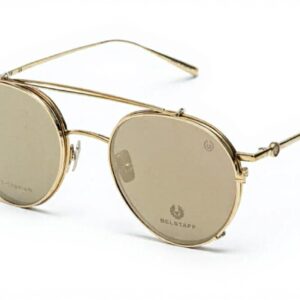
What struck me wasn’t just the practicality of the solution, but how seamlessly it integrated into her movements. There was no fumbling, no bag-searching, no interruption to her engagement with the conversation or the view. The transition happened so naturally that I almost missed it the first time. The glasses themselves had a distinctive look—not overly flashy but clearly well-made, with a multi-colored finish that caught the light interestingly without being distracting. They seemed substantial yet comfortable, and the clip-on attachment aligned perfectly with the frame when not in use.
Over the following weeks, I began noticing this solution more frequently around Sydney. On the Manly ferry, I saw a woman reading her book comfortably indoors, then effortlessly adding the sun protection when she moved to the open deck to watch the approaching shoreline. At the Paddington Markets, another person handled the patchy sunlight under the tent canopies with similar ease. Each time, the common thread was the seamless transition—no disruption to their activity, no compromise on style or comfort. The solution seemed particularly well-suited to Sydney’s lifestyle, where indoor and outdoor spaces often blend together, and the quality of light changes not just throughout the day but sometimes within a single hour.
I started paying closer attention to the details. The frames I observed weren’t the generic, mass-produced clip-ons I’d tried before. These had a certain heft and quality to them, with careful attention to how the clip-on mechanism integrated with the main frame. The multi-colored appearance gave them character without being loud, and they seemed to work with various outfit choices—from business attire in the CBD to casual weekend wear in Newtown. Most importantly, they appeared comfortable for all-day wear, which is essential in a city where you might start your day in Mosman and end it in Darling Harbour, with multiple environment changes in between.
Reflection
I didn’t realize at the time that this observation would lead me to reconsider how I approach practical problems in my daily life. There’s something about living in Sydney that encourages finding elegant solutions to the city’s particular challenges—whether it’s the way we adapt to the changing light or navigate the blend of urban and natural environments. The clip-on sunglasses solution represented more than just convenient eyewear; it embodied a approach to problem-solving that prioritizes seamless integration over dramatic changes.
What struck me most was how this solution addressed the core issue without drawing attention to itself. The 57mm diameter frames provided adequate coverage without being overwhelming, and the multi-colored finish meant they worked with different outfits and settings. The practical benefit of having both regular vision correction and sun protection in one system meant I could move through my day without the mental load of managing multiple accessories. This subtle efficiency created space for more important things—like actually enjoying the harbour views rather than worrying about whether I had the right eyewear for the moment.
There’s a particular satisfaction in finding tools that adapt to your life rather than forcing you to adapt to them. The integrated nature of this eyewear system meant it worked with Sydney’s rhythm rather than against it. Morning walks through Hyde Park became more enjoyable because I could appreciate the dappled light under the trees without squinting. Cafe meetings became smoother because I wasn’t constantly adjusting to indoor lighting. Even simple things like walking from Wynyard Station to Barangaroo became more pleasant experiences because I had the right eye protection for each segment of the journey.
I began to appreciate how well-designed solutions often feel obvious in retrospect. The combination of frame and clip-on sun protection made so much sense for Sydney’s specific conditions that I wondered why I hadn’t considered it sooner. The 300-gram weight felt substantial enough to suggest quality without being burdensome for all-day wear. The compact 10cm packaging meant it traveled well in my work bag or weekend tote. Each of these details contributed to a system that felt considered and appropriate for the way we live here—constantly moving between different environments, always prepared for whatever light conditions we might encounter.
This experience made me reflect on how we often accept minor inconveniences as just part of daily life, when sometimes a simple, well-designed solution can transform our experience. It wasn’t about the sunglasses themselves so much as what they enabled—a more fluid, present way of moving through my Sydney days. The elimination of that constant friction point created mental space I hadn’t realized I was missing. It reminded me that sometimes the most valuable improvements come not from dramatic changes but from solving the small, persistent annoyances that accumulate throughout our days.
Conclusion
Living in Sydney has taught me to appreciate solutions that work with the city’s unique character rather than fighting against it. The changing light that once felt like a challenge now feels like part of the city’s charm, something to be navigated gracefully rather than struggled against. Finding eyewear that adapts as seamlessly as the city itself has transformed how I experience my days here, from early morning harbour walks to late evening city strolls.
The practical benefits have proven themselves repeatedly across Sydney’s diverse settings. Whether I’m watching the sunset from Observatory Hill or attending a meeting in a Martin Place office building, the transition between light conditions happens smoothly, without interrupting whatever I’m doing or whoever I’m with. The multi-colored frames have become a consistent element in my daily style, working equally well with business attire and weekend casual wear. More importantly, they’ve become a reliable tool that supports rather than complicates my Sydney experience.
What began as a simple observation about someone else’s practical solution has become an integral part of how I navigate this city. The seamless integration of regular vision correction and sun protection means I can focus on what matters—the conversations, the views, the experiences that make Sydney living so special. It’s a small change that has made a significant difference in my daily comfort and presence, proving once again that sometimes the most meaningful improvements come from addressing the quiet, persistent friction points in our lives.
Sydney’s light will continue to shift and change, as it always has. But now, rather than seeing these changes as interruptions to be managed, I experience them as part of the city’s rhythm. The right tools can transform how we interact with our environment, turning potential frustrations into integrated parts of our daily experience. In a city that balances urban sophistication with natural beauty, finding solutions that work across both realms feels particularly appropriate—a small but meaningful way to honor Sydney’s unique character while making daily life just that much smoother.


 Belstaff Brillengestell Sonnenbrille mehrfarbig